Asthma is a common respiratory condition that affects not only humans but also cats. Feline asthma can significantly impact a cat’s quality of life if left untreated. Understanding the symptoms, causes, and available treatments can help pet owners recognize the condition early and provide their feline companions with the care they need.
What Is Cat Asthma?
Cat asthma, also known as feline allergic bronchitis, is a chronic inflammatory disease that affects the lower airways of a cat’s lungs. When a cat with asthma is exposed to certain triggers, the airways become inflamed and narrowed, making it difficult for the cat to breathe.
The condition can range from mild and occasional to severe and life-threatening. While asthma can develop in cats of any age, it is most commonly diagnosed in young to middle-aged cats.
Common Symptoms of Cat Asthma
Recognizing the signs of asthma is crucial for early diagnosis and treatment. Common symptoms include:
- Persistent coughing
- Wheezing sounds during breathing
- Rapid or labored breathing
- Open-mouth breathing
- Difficulty exercising or playing
- Lethargy and reduced activity levels
- Frequent respiratory distress episodes
During an asthma attack, a cat requires immediate veterinary attention.
What Causes Cat Asthma?
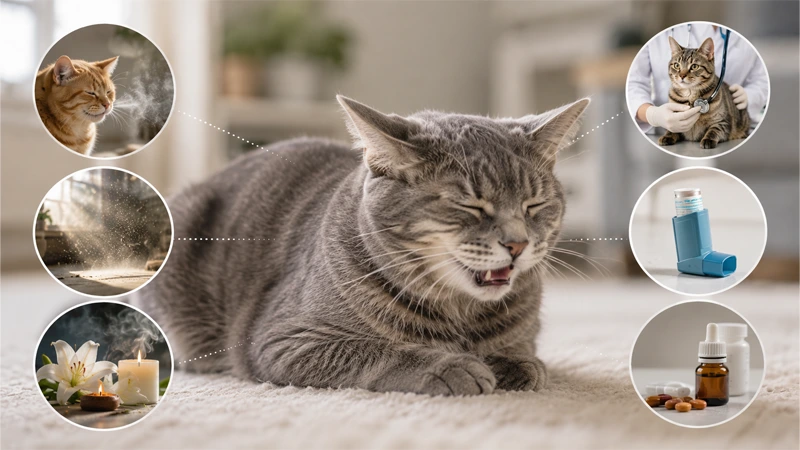
The exact cause of feline asthma is not always known, but it is generally believed to be linked to allergic reactions. Common triggers include:
Environmental Allergens
- Dust and dust mites
- Pollen
- Mold spores
- Cigarette smoke
- Household cleaning products
- Air fresheners and scented candles
Other Irritants
- Cat litter dust
- Perfumes
- Aerosol sprays
- Fireplace smoke
When sensitive cats inhale these substances, their immune systems may overreact, causing airway inflammation and constriction.
How Is Cat Asthma Diagnosed?
Diagnosing asthma can be challenging because its symptoms often resemble those of other respiratory conditions. Veterinarians typically use a combination of:
- Physical examinations
- Medical history reviews
- Chest X-rays
- Blood tests
- Bronchoscopy in certain cases
These diagnostic tools help rule out other conditions such as respiratory infections, heart disease, or lung parasites.
Treatment Options for Feline Asthma
Although there is no cure for asthma, the condition can often be managed successfully with proper treatment.
Medications
Veterinarians commonly prescribe:
Corticosteroids
These medications reduce airway inflammation and help prevent asthma flare-ups.
Bronchodilators
These drugs relax the muscles around the airways, making breathing easier during asthma episodes.
In some cases, medications may be administered through inhalers designed specifically for cats.
Environmental Management
Reducing exposure to triggers can significantly improve a cat’s symptoms. Pet owners can:
- Use low-dust cat litter
- Avoid smoking indoors
- Regularly clean and vacuum the home
- Minimize the use of scented products
- Improve indoor air quality with air purifiers
Living With a Cat That Has Asthma
Many cats with asthma live long, comfortable lives when their condition is properly managed. Regular veterinary checkups, adherence to prescribed medications, and careful monitoring of symptoms are essential.
Pet owners should keep track of coughing episodes, breathing patterns, and potential triggers to help veterinarians adjust treatment plans when necessary.
When to Seek Emergency Care
Immediate veterinary attention is necessary if a cat experiences:
- Severe breathing difficulty
- Blue or pale gums
- Open-mouth breathing that persists
- Collapse or extreme weakness
These symptoms may indicate a serious asthma attack and require urgent treatment.
Conclusion
Cat asthma is a chronic but manageable respiratory condition that affects many felines worldwide. Early recognition of symptoms, proper veterinary care, and minimizing environmental triggers can make a significant difference in a cat’s health and well-being. By staying informed and proactive, cat owners can help their furry companions breathe easier and enjoy a better quality of life.