Diarrhea is one of the most common health issues that affects dogs of all ages and breeds. While a single episode of loose stool may not always be a cause for concern, persistent or severe diarrhea can lead to dehydration, nutrient loss, and may indicate an underlying health problem.
Understanding the causes, symptoms, and treatment options can help pet owners take the right steps to keep their dogs healthy.
What Is Diarrhea in Dogs?
Diarrhea is characterized by loose, watery, or unusually frequent bowel movements. It occurs when food passes too quickly through the digestive tract, preventing proper absorption of water and nutrients.
Common Causes of Diarrhea
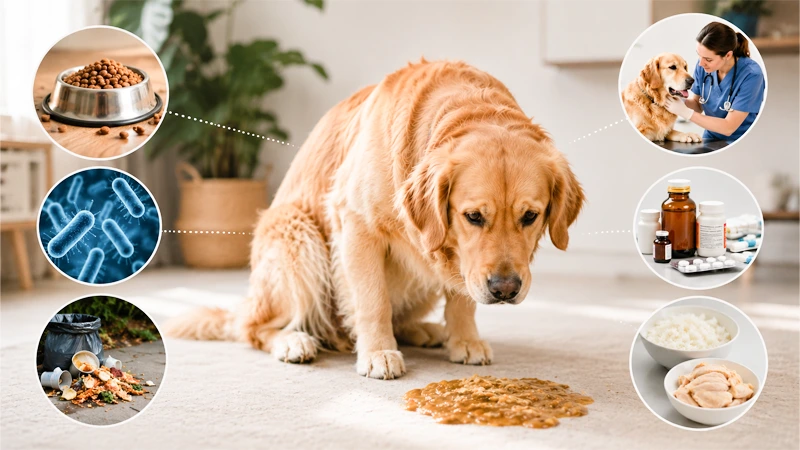
Several factors can trigger diarrhea in dogs, including:
- Dietary changes: Sudden changes in food or treats can upset a dog’s digestive system.
- Eating inappropriate items: Garbage, spoiled food, table scraps, or foreign objects may irritate the intestines.
- Food intolerance or allergies: Some dogs are sensitive to certain ingredients such as dairy, chicken, or grains.
- Parasites: Worms, Giardia, and other intestinal parasites commonly cause diarrhea, especially in puppies.
- Bacterial or viral infections: Infections can lead to inflammation of the digestive tract.
- Stress or anxiety: Boarding, travel, thunderstorms, or changes in routine may cause temporary digestive upset.
- Medications: Antibiotics and certain other drugs can disrupt the balance of healthy gut bacteria.
- Underlying medical conditions: Diseases affecting the liver, pancreas, kidneys, or intestines can present with chronic diarrhea.
Signs to Watch For
Besides loose stools, dogs with diarrhea may experience:
- Frequent bowel movements
- Straining during defecation
- Blood or mucus in the stool
- Vomiting
- Loss of appetite
- Lethargy
- Abdominal discomfort
- Dehydration
If these symptoms become severe or persist, veterinary attention is important.
Home Care for Mild Cases
If your dog has mild diarrhea but is otherwise active and eating normally, you can take a few supportive measures:
- Ensure your dog has constant access to fresh, clean water.
- Feed a bland diet such as boiled chicken and plain white rice for a day or two, if recommended by your veterinarian.
- Avoid fatty foods, table scraps, and treats.
- Gradually transition back to the regular diet over several days once stools return to normal.
- Monitor your dog’s energy level, appetite, and stool consistency.
Always consult your veterinarian before giving over-the-counter medications or supplements.
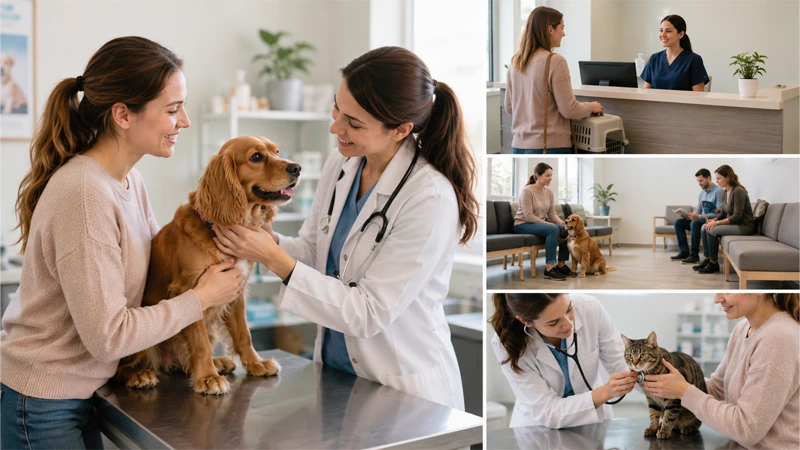
When Should You Visit a Veterinarian?
Seek veterinary care immediately if your dog:
- Has diarrhea lasting more than 24–48 hours
- Is a puppy, senior dog, or has an existing medical condition
- Has repeated vomiting
- Has blood or black, tarry stools
- Shows signs of severe dehydration
- Appears weak, lethargic, or in pain
- May have ingested toxins or foreign objects
Prompt diagnosis and treatment can prevent complications and address potentially serious underlying conditions.
How Veterinarians Diagnose Diarrhea
Your veterinarian may perform:
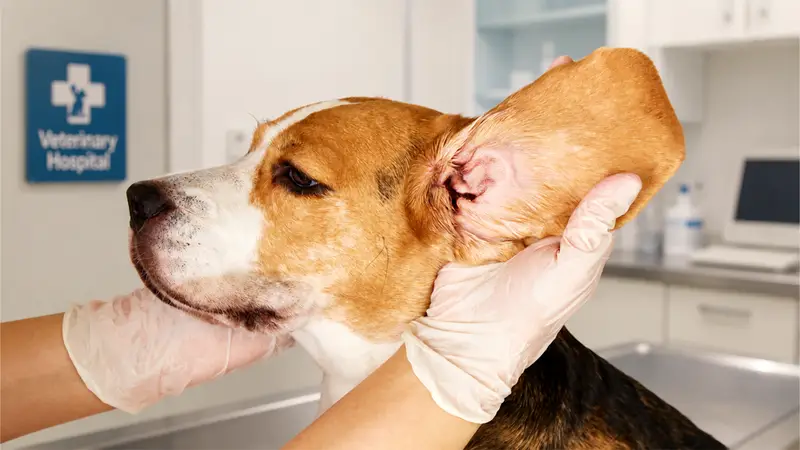
- A physical examination
- Fecal testing for parasites
- Blood tests
- Urinalysis
- X-rays or ultrasound
- Dietary history review
- Additional specialized tests if chronic disease is suspected
The diagnostic approach depends on your dog’s age, symptoms, and overall health.
Treatment Options
Treatment varies depending on the underlying cause and may include:
- Fluid therapy to correct dehydration
- Prescription gastrointestinal diets
- Deworming medication
- Antibiotics or antiparasitic medications when appropriate
- Probiotics to support gut health
- Medications to reduce intestinal inflammation
- Treatment of any underlying disease
Most cases improve quickly with proper diagnosis and care.
Preventing Diarrhea in Dogs
While not every case can be prevented, these habits can reduce the risk:
- Introduce new foods gradually over 7–10 days.
- Keep garbage and harmful substances out of reach.
- Maintain regular parasite prevention.
- Ensure vaccinations are up to date.
- Avoid feeding human foods that may upset your dog’s stomach.
- Provide clean drinking water at all times.
- Schedule regular veterinary wellness examinations.
Final Thoughts
Diarrhea in dogs is often mild and short-lived, but it should never be ignored if it becomes severe, frequent, or is accompanied by other concerning symptoms.
Careful monitoring, proper hydration, and timely veterinary attention can help ensure a quick recovery. By maintaining a healthy diet, preventing exposure to parasites and toxins, and staying alert to changes in your dog’s health, you can reduce the risk of digestive problems and keep your canine companion happy and healthy.