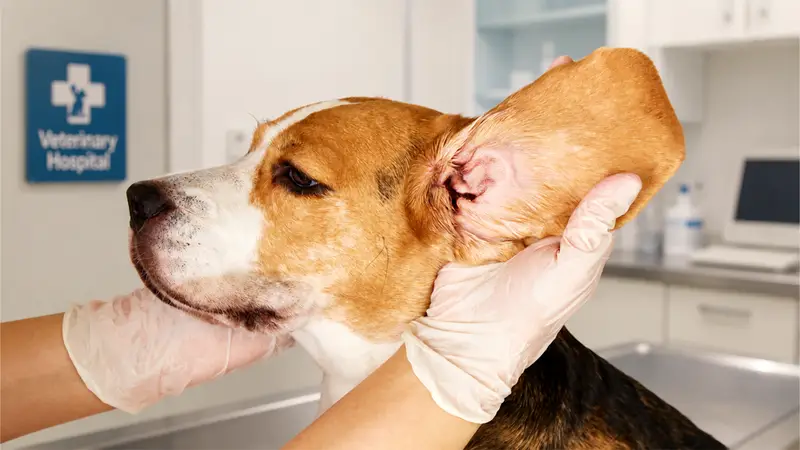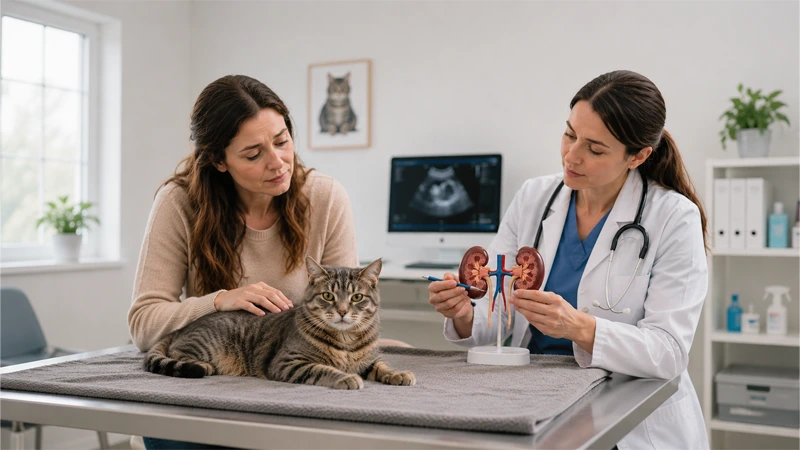
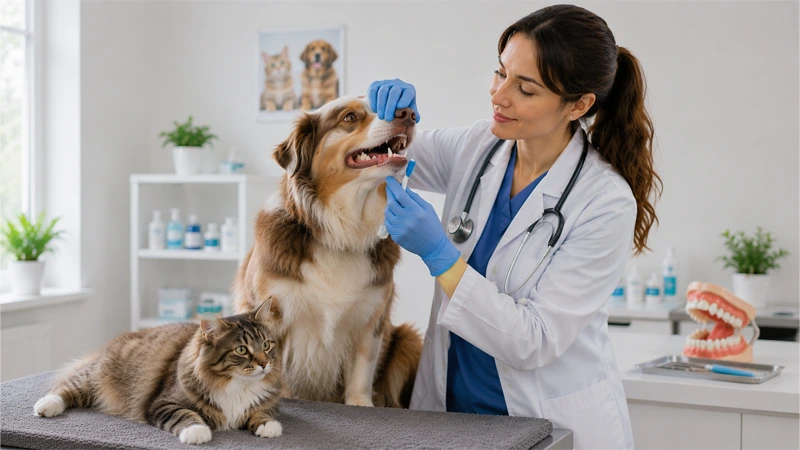
Like humans, dogs and cats require regular dental care to maintain their overall health. Without proper care, pets can develop painful dental issues, loose teeth, and infections that may spread to vital organs such as the heart, liver, or kidneys.
What to Expect During a Dental Exam
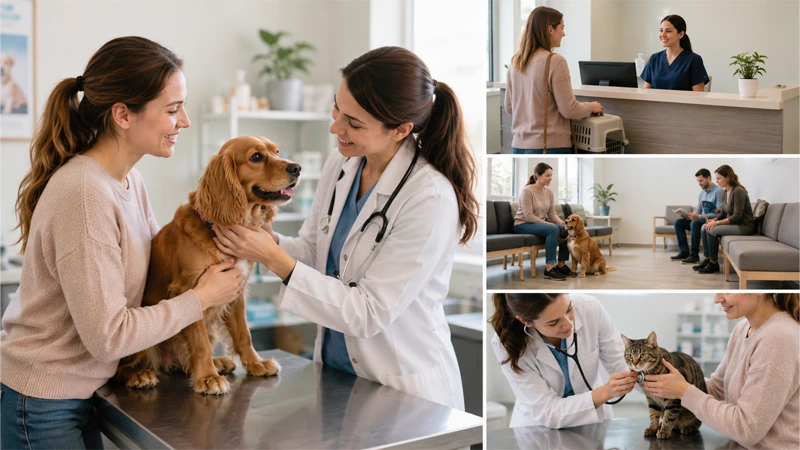
The process begins with a thorough oral examination performed by a veterinarian. In many cases, radiographs (x-rays) are recommended to assess the health of the jaw and tooth roots below the gumline.
Since most dental disease occurs beneath the gumline where it cannot be seen, a complete dental cleaning and evaluation is performed under anesthesia. This allows for a detailed and accurate assessment of your pet’s oral health.
Dental cleanings include:
- Scaling to remove plaque and tartar
- Polishing to smooth the tooth surface
This process is very similar to what you experience during your own dental visits.
Why Anesthesia Is Important
Anesthesia plays a key role in ensuring your pet’s safety and comfort during dental procedures.
It allows:
- A stress-free and pain-free experience
- A more thorough and effective cleaning
- Reduced risk of injury from dental equipment
- Clear, high-quality radiographs when needed
Without anesthesia, it would be difficult to properly examine and treat areas below the gumline.
Aftercare and Follow-Up
After your pet’s dental procedure, it is important to follow all home care instructions provided by your veterinarian. This may include:
- Monitoring your pet’s eating and behavior
- Administering any prescribed medications
- Attending recommended follow-up visits
Proper aftercare helps ensure a smooth recovery and long-term dental health.
How Often Does My Pet Need Dental Cleanings?
The frequency of dental cleanings varies depending on several factors, including age, breed, overall health, and at-home dental care.
General guidelines include:
- Small dogs and flat-faced breeds: once or twice per year
- Larger dogs with healthy mouths: every 18 to 24 months
- Cats, especially those with gum disease or tooth resorption: more frequent cleanings and checkups
Your veterinarian can provide a personalized recommendation based on your pet’s needs.
A Key Part of Your Pet’s Health
Good dental care is not a luxury. It is an essential part of maintaining your pet’s health and quality of life.
By staying proactive with dental care, you are helping your furry family member live a longer, healthier, and more comfortable life.