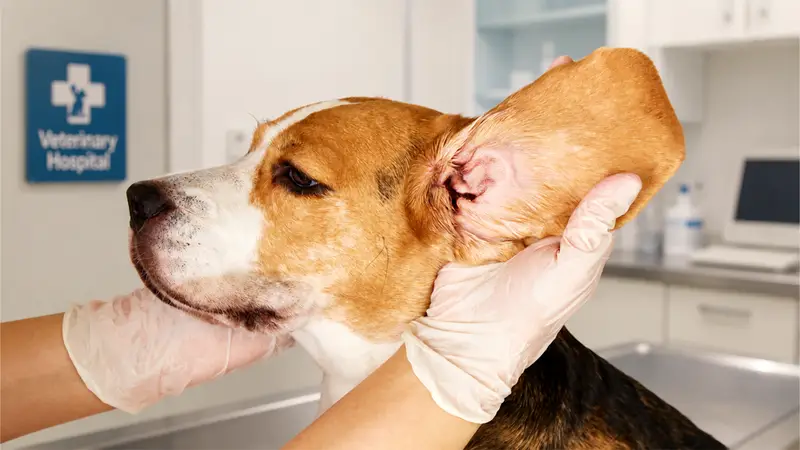
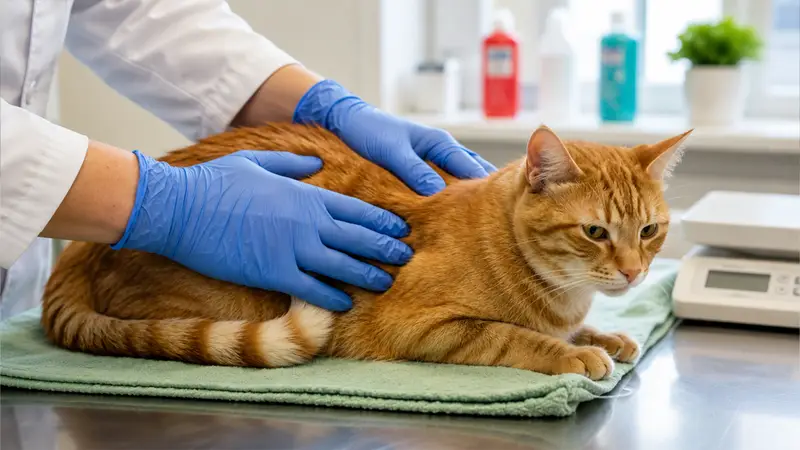
While not every lump is dangerous, the following signs should prompt a veterinary visit:
- Rapid growth: Any lump that enlarges quickly over days or weeks should be checked.
- Changes in appearance: Lumps that change in color, shape, or texture could indicate a problem.
- Bleeding or discharge: This may be a sign of infection or malignancy.
- Pain or sensitivity: If your dog reacts when the lump is touched, it could be a sign of discomfort or inflammation.
- Ulceration: Open or oozing sores on or around the lump should never be ignored.
- Lumps in multiple areas: Multiple growths appearing at once may require further investigation.
Diagnosis
FNA is often the first step in evaluating the nature of a mass and can help differentiate between benign and malignant growths.
Biopsies provide detailed information about the tissue structure and are particularly useful if cancer is suspected or if the results of FNA are inconclusive.
We may also use imaging techniques such as X-rays or ultrasounds to gain a clearer picture of the lump’s size, depth, and whether it has spread to other areas.
Treatment
Some benign lumps can be monitored safely, while others require timely surgical removal or other treatments.